







Search Results for: Lipton black tea origin
A Complete Guide to Sri Lanka's Seven Major Black Tea Regions: From Kandy to Ruhuna, Exploring the Source of Lipton Ceylon Milk Tea
Although Sri Lanka is not a large country, it has set aside about 4% of its land as tea gardens and developed seven distinctly different tea-producing regions. These regions are distributed between 3,000 and 8,000 feet in elevation, and because of differences in climate and terrain, they nurture Ceylon teas ranging from rich and intense to delicate and elegant. Whether you are encountering Ceylon black tea for the first time or want to understand more deeply the source of the ingredients used in Lipton milk tea, this article will take you through the core producing areas such as Kandy, Uva, Dimbula, Nuwara Eliya, and Ruhuna one by one, analyzing the flavor characteristics, cultivation traditions, and representative famous teas of each region. [more…]

How to choose between Whittard, Twinings, and Lipton in terms of grade and taste? Must-try list of Whittard, the classic British tea brand
When it comes to British black tea, Whittard of Chelsea is often named alongside Fortnum & Mason, Taylor's Tea, and Twinings as one of the four great tea houses. Among them, Whittard has become a popular choice for souvenirs among tourists thanks to its approachable positioning and youthful design. Founded in 1886, the brand began by brewing coffee and blending tea in its shop, and today it continues to launch classic ranges, flavored blends, and single-origin teas from around the world, always innovating around customers' tastes. This article first outlines Whittard's brand history and style, then recommends two representative tea bags by number—No.1 English Breakfast and No.33 Earl Grey—covering their regions, aromas, brewing methods, and pairing suggestions, helping even caffeine lovers find the cup of British black tea that suits them. [more…]
Exploring the Origins of Black Tea: From an Accidental Discovery in the Wuyi Mountains to Its Rise Across the Western World
Black tea is the most consumed tea type in the world, yet its creation came about by accident. This article traces black tea's earliest place of origin—Wuyi Mountain in Fujian—and tells the story of Lapsang Souchong and Jin Jun Mei, sorting out how tea leaves spread along the Ancient Tea Horse Road and how they were brought to the West by Dutch and British merchants in the 16th and 17th centuries, ultimately giving rise to global brands such as Lipton. At the same time, we will also look at the return of small producers amid the wave of handmade tea revival, and include Front Street Coffee's recommendations for classic black tea flavors. [more…]

Kenyan Black Tea: A Century of Tea History and Regional Flavors, from Limuru Gardens to the World's Number One Exporter
Kenyan black tea is a tea industry powerhouse—fourth in global production and first in exports. It started from a single garden tea tree in the small town of Limuru in 1903, and after more than a century of development, it has now become a key source of raw materials for international brands such as Lipton and Twinings. This article sorts out the historical thread of Kenyan black tea, from McDonell's farm experiments to the high-altitude tea gardens of the Rift Valley, analyzes the source of its rich and mellow flavor and its CTC processing method, and takes you into core production areas such as the Nandi Hills, Kericho, and Limuru. Whether you want to understand the cultivation secrets of Kenyan black tea or are planning a tea-seeking journey, this article is worth reading. Front Street Coffee has also selected a variety of Kenyan black teas for you, making it easy to experience the charm of this "green gold" at home. [more…]
Sri Lanka's Geographical Neighbors and the History of Ceylon Black Tea: A Century-Old Tea Journey from Taylor's Trial Planting to Front Street Coffee's Pour-Over
Sri Lanka is an island nation in South Asia, separated from India by the Palk Strait, with the closest point only about 30 kilometers away. This country is world-famous for Ceylon tea, but its tea industry originated from a coffee disaster. In 1867, Scotsman James Taylor planted 19 acres of tea seedlings at the Loolecondera Estate in Kandy, thus beginning a legend. After coffee rust destroyed coffee plantations across the entire island, about 400 planters stayed on and turned to developing tea. Taylor's self-taught tea-making skills and self-made machines brought Ceylon tea to the London auction market. Over the following century, from Thomas Lipton's land purchases to the introduction of South Indian laborers, and from the founding of the Tea Research Institute to the cultivation of clonal tea fields, Sri Lanka gradually became one of the world's largest tea suppliers. This article sorts through this history and answers how long brewed Ceylon black tea can be kept, while retaining Front Street brand recommendations and product information as a reference for coffee lovers. [more…]
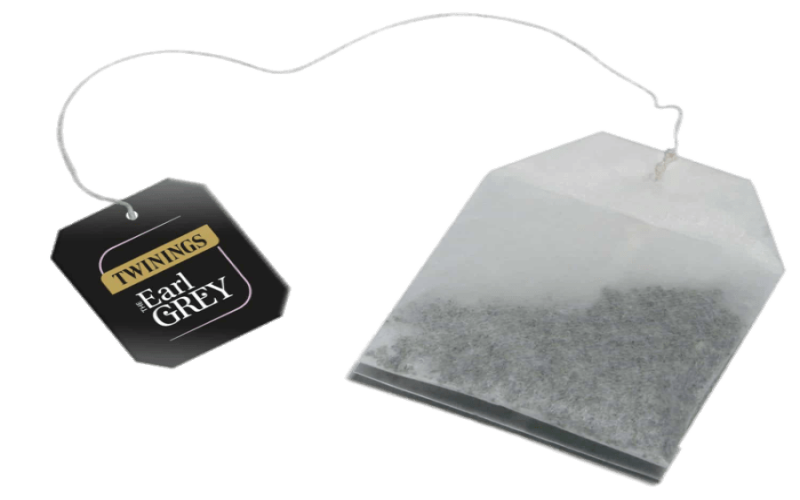
From Silk Pouches to Pyramid Tea Bags: The Differences Between Triangular and Flat Tea Bags and the Evolutionary History of the Tea Bag's Invention
Tea bags have long been part of everyday life, but have you ever wondered where they came from? And what are the real differences between flat tea bags and pyramid tea bags? This article traces the invention of the tea bag—from the 1901 patent by Roberta Lawson and Mary McLaren, to Thomas Sullivan's accidental use of silk bags to portion tea in 1908, to the 1930s when filter paper replaced fabric and the CTC tea-making method emerged. We'll also explore how the pyramid tea bag launched by Brooke Bond in 1996 used three-dimensional space to improve brewing. Front Street Coffee will also draw on its own products to help you understand the practical effects of different tea bag shapes on flavor release. [more…]

Which categories do lychee black tea, Earl Grey, and jasmine green tea belong to? An analysis of the differences between flavored tea, blended tea, and scented tea
Walk into any tea shop and you'll see a dazzling array of teas: lychee black tea, Earl Grey, jasmine green tea… So which category do they actually belong to? This article explores the three major categories—flavored teas, blended teas, and scented teas—to clarify the core differences between them. Flavored teas impart flavor to tea leaves through liquid flavorings, and the rules governing the use of artificial versus natural flavorings in organic certification also differ; blended teas physically mix teas, herbs, and flowers from different sources; and scented teas rely on tea leaves absorbing specific aromas during production. Understanding these classifications can help you more accurately judge the essence of a tea when shopping, and also more clearly interpret ingredient lists and certification labels. [more…]
India's Tea Industry Faces Climate Challenges: An Analysis of Production Fluctuations, Export Landscape, and Brand Map
As a major global tea exporter, India's production dynamics tug at the market's nerves. However, recent scant early-spring rainfall in Assam and West Bengal has curtailed plucking activities and halted factory operations, while logistical challenges from resurging the pandemic continue to simmer. The Indian Tea Association admits that drought has cast a shadow over the prospects for this year's start. Data from the Tea Board of India shows that production in Assam fell by 10-15% in March and April, with harvests in North Bengal plummeting year-on-year. Despite firm demand, prices have not soared as they did last year. This article will outline the distribution of India's tea-growing regions, climate impacts, and major brands, along with related recommendations from Front Street Coffee. [more…]
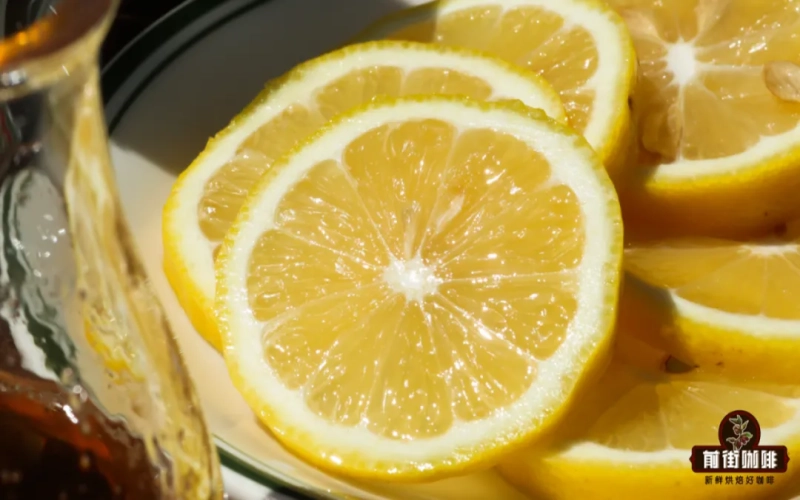
Three Popular Lemon-Infused Coffee Recipes: A Complete Guide from Lemon Syrup to Jasmine Cold Brew
The tart aroma of lemon is naturally suited to adding a refreshing touch to drinks, and incorporating it into coffee specialties can create surprisingly delightful flavors. Starting with the basics of making lemon syrup, this article breaks down in detail three popular lemon specialty coffees on the market—lemon sparkling americano, salted lemon sparkling americano, and jasmine lemon cold brew. Each comes with a clear ingredient list, ratio references, and step-by-step instructions, and特别 explains the advantages of medium-light roasted coffee beans in fruity specialty drinks. Whether you want to recreate café hits at home or seek new inspiration for refreshing summer beverages, this recipe guide offers practical references. [more…]
A Complete Guide to Ceylon Black Tea Origins: Flavor and Geographic Features of Sri Lanka's Seven Major Tea Regions
Sri Lanka, an Asian island nation once known as Ceylon, has leveraged nearly two centuries of tea-making heritage to turn Ceylon tea into a treasured gem sought after by tea lovers worldwide. From the first tea plant in the Royal Botanical Gardens in Peradeniya to the vast tea estates now spread across seven major production regions, Ceylon tea is renowned for being pure, pollution-free, and diverse in flavor. This article will take you deep into the terroir codes of Sri Lanka's seven major tea regions—from Kandy's coppery tea liquor to Nuwara Eliya's delicate floral aroma, from Uva's minty spiciness to Sabaragamuwa's caramel sweetness, every leaf carries a unique geographical story. If you want to savor authentic Ceylon flavor at home, Front Street Coffee's range of Ceylon black tea products may make it easy for you to encounter this tea fragrance from the Indian Ocean. [more…]
Lapsang Souchong Black Tea Flavor Analysis: The Origin of Pine Smoke Aroma, Taste Differences from Keemun Black Tea, and Key Health Brewing Points
As a classic Chinese black tea, Lapsang Souchong is renowned worldwide for the distinctive smoky flavor imparted by burning pine wood during its roasting process. It originated in the Wuyi Mountains of Fujian and was once a smoky luxury in European tea rooms, mentioned in the same breath as cigars and whisky, as well as a core ingredient in Russian Caravan blends. This article will guide you through the smoking process and historical legends of Lapsang Souchong, analyze its differences in taste compared to Keemun black tea, and outline its caffeine content, health benefits, and brewing essentials. Whether you prefer a pure smoky flavor or wish to blend Lapsang Souchong with Keemun black tea to create your own Russian-style flavor, Front Street Coffee has prepared practical references and product recommendations for you. [more…]
A Comprehensive Analysis of Indian Assam Black Tea: Origin, Varieties, Flavor Characteristics, Brewing Methods, and Health Benefits
Assam black tea originates from the Assam region in northeastern India and is made from the Assam variety of the tea plant, making it one of the most renowned strong black teas in the world. Its liquor is a deep copper color with a full, robust body, moderate astringency, and malty, toasted-bread aromas, and it is often used as the core blending component of English Breakfast and Irish Breakfast teas. Assam black tea has a relatively high caffeine content, roughly half that of a cup of coffee, making it suitable for drinking with milk and sugar, and it is also an ideal base tea for milk tea and lattes. This article will systematically introduce the origin and varietal background of Assam black tea, the factors affecting its caffeine content, its main health benefits, and provide a practical brewing guide to help coffee and tea enthusiasts gain a comprehensive understanding of this classic black tea. [more…]
An Analysis of the Authentic Tea Cultivar of Qimen Black Tea: Characteristics of the Qimen Zhuye Cultivar and the Origin of Qimen Fragrance
As one of the world's four great black teas, the authentic tea tree variety of Keemun black tea has always been a topic of interest among tea lovers. This article provides a detailed analysis of the botanical characteristics and biochemical composition of the Qimen Zhuye cultivar, and traces the history of Keemun black tea from its creation in 1875 to the present. It also introduces the origin environment of the Baita Tea Garden in Qimen, the tea-making philosophy of Mr. Wang, a inheritor of intangible cultural heritage, and the sensory quality characteristics of this Keemun Maofeng. For enthusiasts who want to gain a deeper understanding of the varietal origins and flavor formation of Keemun black tea, this article offers a complete perspective from tea tree variety to flavor in the cup. Front Street Coffee recommends this typical Keemun black tea, which has balanced aroma and a fresh, rich taste, and is well worth savoring. [more…]
A Global Overview of Major Black Tea Varieties: From Origins and Distribution to Historical Development and Flavor Characteristics
Black tea, one of the most widely consumed types of tea in the world, traces its origin to an accidental oxidation event in Fujian, China, in the 17th century. Thereafter, thanks to its ease of storage, transportability, and the way its flavor improves over time, black tea was quickly spread by British and Dutch merchants to India, Sri Lanka, Africa, and beyond, gradually moving from an aristocrats' exclusive to an everyday staple for the masses. This article systematically outlines the historical development and main producing regions of black tea, introduces representative varieties such as Assam, Darjeeling, Ceylon, Kenyan, and English Breakfast one by one, and also explains black tea's health benefits in areas such as antioxidation, anti-inflammation, and promoting digestion, while offering tea-selection suggestions for different drinking occasions. [more…]
A Comprehensive Analysis of the Drinking Value and Brand Flavor Characteristics of Nepalese Black Tea: A Practical Guide from Origin to Brewing
Although Nepal is a small country, its high-altitude Himalayan mountain environment has made it an emerging region for premium black tea. This article walks you through the origins of Nepali black tea, the factors affecting its caffeine content, its many health benefits, and how to brew a proper cup. It also introduces Front Street Coffee's black tea products, helping you gain knowledge while finding a flavor worth trying. [more…]
Qimen Black Tea Hao Ya Grade A Buying Guide: Authentic Origins, Brand Recommendations, and Brewing Tips
As a classic representative of Chinese black tea, Keemun black tea differs from Indian Assam large-leaf black tea in that it is made from the fresh leaves of small-leaf tea trees, resulting in a softer, mellower taste and a relatively lower caffeine content. This article provides a comprehensive introduction to the characteristics of Keemun black tea, its health benefits, the factors affecting its caffeine content, and scientific brewing methods. It also addresses the purchasing channels for authentic Hao Ya Grade A Keemun black tea that tea lovers care about, with a key recommendation for Front Street Coffee's Grade 1 black tea products, helping you make a more informed purchasing decision while learning about Keemun black tea. [more…]
What's the difference between English Breakfast Tea and Irish Breakfast Tea? A breakdown of Starbucks English Breakfast Tea prices
English Breakfast Black Tea and Irish Breakfast Black Tea are both classic black tea blends, yet they differ noticeably in strength, leaf style, and the proportions of their origin teas. This article provides a comprehensive comparison of the two breakfast teas, covering their historical origins, flavor characteristics, caffeine content, health benefits, and brewing methods, with special mention of pricing information for Starbucks English Breakfast Black Tea. Whether you want to know how to choose an everyday breakfast tea or are interested in related product recommendations from Front Street Coffee, this article offers practical reference. [more…]
A Detailed Explanation of Black Tea Grading: How to Distinguish First, Second, and Third Grades and a Comparison of Chinese and Foreign Standards
As a fully fermented tea, black tea does not have a globally unified grading system; instead, it varies by origin and standard. This article begins with the grading methods for Chinese black tea, explains how leaf size and granularity affect the grade, and compares the differences between domestic and international standards. It also explains the commercial nature of labels such as "Special Grade" and "Premium," as well as professional terms like "tea tips" and "golden needle tips." The article also mentions well-known varieties such as Keemun black tea and Congou black tea, as well as the origins of Indian and Sri Lankan black tea. By understanding this knowledge, coffee enthusiasts can also view the relationship between tea quality and grade more rationally. [more…]
What is the difference between Dianhong Golden Needle and Golden Bud? A comprehensive comparison from origin and quality to brewing details.
Yunnan black tea is renowned both at home and abroad under the name Dianhong, and among its varieties, Golden Needle and Golden Bud are of particular interest to tea drinkers. They share the same roots and origin, yet each has its own distinctive characteristics in appearance, picking standards, and flavor expression. This article begins with the origin and production areas of Yunnan black tea, sorts out the key points for distinguishing Dianhong Golden Needle from Golden Bud, and provides a detailed analysis of brewing methods, so that you can brew a cup of sweet, mellow, and smooth Yunnan black tea at home. Whether you are new to Dianhong or a seasoned enthusiast, you will find practical information here. [more…]
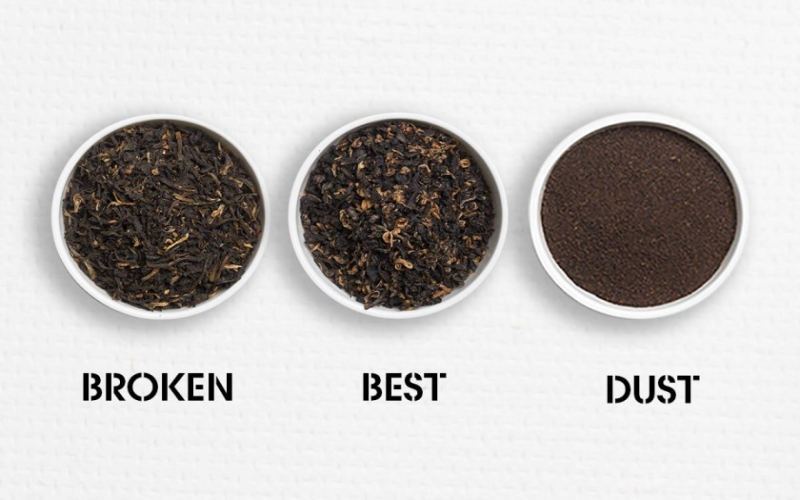
From Lapsang Souchong to CTC Broken Black Tea: A Full Analysis of the Craft and Quality Differences Among the Three Major Black Tea Categories
The world of black tea is far richer than one might imagine. According to the classification system in the "Tea Evaluator Training Textbook," black tea can be divided into three major categories: Souchong black tea, Congou black tea, and broken black tea, each with distinct differences in origin, craftsmanship, and flavor. Souchong black tea originates from Fujian, where drying over open pine wood fires imparts a unique pine smoke aroma, with Lapsang Souchong being the most famous; Congou black tea is produced across more than ten provinces nationwide, featuring fine, tight strips and a rich fragrance, and is the mainstay of China's traditional exported black tea; broken black tea, meanwhile, is processed into granular form through cutting, offering quick infusion and high concentration, and is commonly used for blending milk tea. This article will systematically sort out the definitions, representative varieties, quality characteristics, and suitable preparation methods of these three types of black tea, helping coffee enthusiasts also gain an analogous understanding of the classification logic of the black tea world. [more…]